
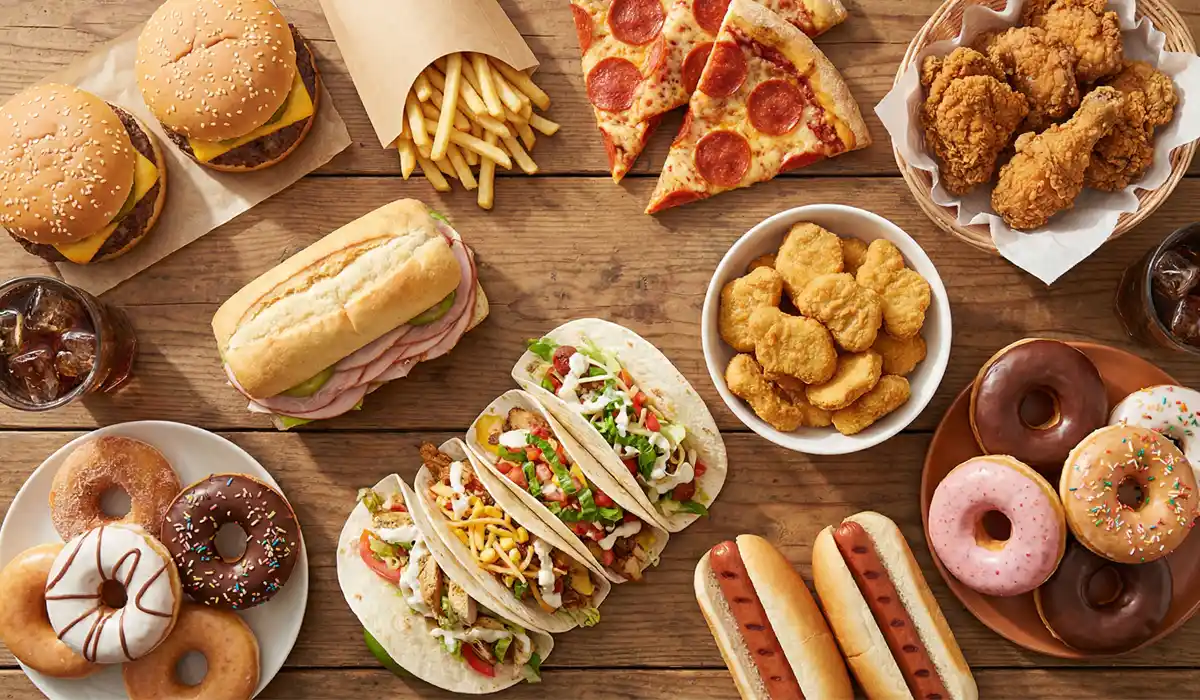
With more than 200,000 fast food locations spread across the United States, choosing where to grab a quick meal can feel overwhelming. Every chain promises fast service, affordable prices, and food worth coming back for but the reality varies considerably from brand to brand.
This guide cuts through the noise. I’ve ranked America’s top 10 fast food chains for 2026 based on four criteria: U.S. location count and accessibility, customer satisfaction scores from independent research, menu quality and variety, and overall value for money. I’ve also included honest observations about where each chain excels and where it falls short, so you know exactly what to expect before you pull into the drive-thru.
How These Rankings Were Determined
Before diving into the list, it’s worth explaining the methodology, because “best” means different things to different people.
Customer satisfaction data comes primarily from the American Customer Satisfaction Index (ACSI) 2025 Restaurant and Food Delivery Study, which surveyed 16,381 diners between April 2024 and March 2025. This is the most comprehensive independent customer satisfaction survey in the U.S. restaurant industry.
Location count data is sourced from ScrapeHero’s April 2026 U.S. location report, which tracks verified restaurant locations across all 50 states.
Revenue figures are drawn from publicly available 2025 earnings data and industry reports including QSR Magazine’s annual QSR 50 rankings.
The final ranking balances all of these factors a chain with 20,000 locations but poor customer scores doesn’t automatically outrank a smaller chain with exceptional food quality and service.
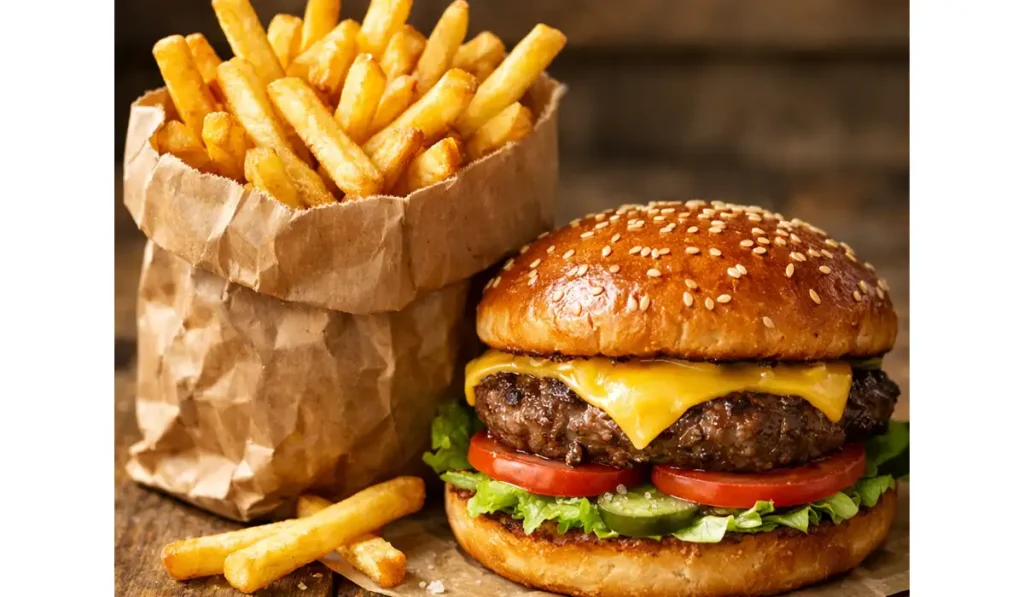
Top 10 Fast Food Chains in America: 2026 Rankings at a Glance
| Rank | Chain | U.S. Locations | ACSI Score (2025) | Best Known For |
|---|---|---|---|---|
| 1 | Chick-fil-A | ~3,100 | 83/100 | Chicken sandwich, service |
| 2 | McDonald’s | 13,827 | 70/100 | Global reach, Big Mac, fries |
| 3 | Chipotle | ~3,700 | 76/100 | Fresh burritos, bowls |
| 4 | Starbucks | 16,871 | 80/100 | Coffee, food pairings |
| 5 | Wendy’s | ~5,700 | 77/100 | Fresh beef burgers, Frosty |
| 6 | Subway | 20,054 | N/A | Customizable subs, healthy options |
| 7 | Taco Bell | ~8,000 | 73/100 | Mexican-inspired, value menu |
| 8 | Burger King | 6,590 | 76/100 | Flame-grilled Whopper |
| 9 | Dunkin’ | 10,026 | 78/100 | Donuts, iced coffee |
| 10 | Domino’s | ~6,700 | N/A | Pizza delivery, app tracking |
1. Chick-fil-A — Best Overall Fast Food Experience
U.S. Locations: ~3,100 ACSI Customer Satisfaction Score: 83/100 (ranked #1 for the 11th consecutive year in 2025) Average Meal Cost: $9–$14
Chick-fil-A holds the top spot on this list not because it has the most locations or the highest revenue, but because it consistently outperforms every competitor in the area that matters most: customer experience. According to the ACSI’s 2025 report which surveyed over 16,000 restaurant-goers Chick-fil-A earned a satisfaction score of 83 out of 100, placing it ahead of every other quick-service restaurant chain for the eleventh year running.
What makes Chick-fil-A stand out?
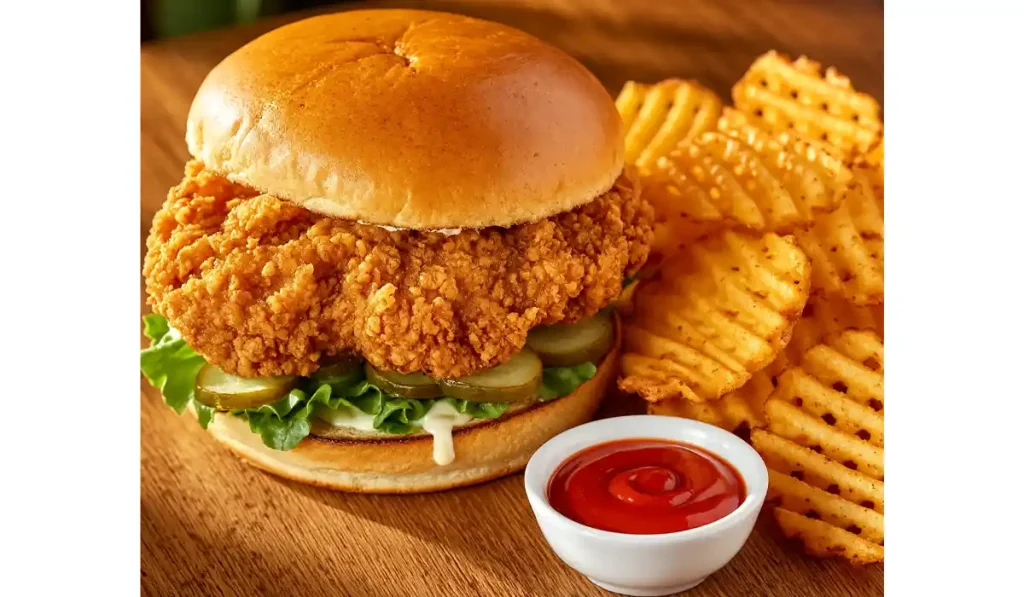
The food quality is consistently above the fast food average. The signature chicken sandwich a hand-breaded, pressure-cooked chicken breast on a toasted bun with pickles has become the standard against which other fast food chicken sandwiches are measured. The chain cooks in refined peanut oil, which produces a distinct flavor profile that competitors haven’t successfully replicated.
Beyond the flagship sandwich, Chick-fil-A’s waffle fries, fresh-squeezed lemonade, and seasonal milkshake offerings round out a menu that’s notably narrower than its competitors a deliberate choice that enables consistent quality.
Service quality is the other major differentiator. Chick-fil-A’s employee training and culture produce staff who are noticeably more engaged than the industry average. The famous “my pleasure” response to thank-yous has become a cultural shorthand for attentive fast food service.
The honest trade-off: Chick-fil-A is closed every Sunday, which is a real limitation for weekend diners. Drive-thru lines can be extremely long during peak hours, though the chain has invested heavily in dual-lane systems and mobile ordering to manage volume. It also has the smallest location count of the major chains, with just over 3,100 U.S. restaurants.
Must-order items:
- Fresh-squeezed Lemonade
- Classic Chicken Sandwich or Spicy Deluxe
- Waffle Potato Fries
- Hand-spun milkshakes (seasonal flavors)
2. McDonald’s — The Undisputed Global Leader
U.S. Locations: 13,827 (as of April 2026) ACSI Customer Satisfaction Score: 70/100 Average Meal Cost: $8–$13
McDonald’s is the most recognizable fast food brand on the planet and, by most financial measures, the largest. The chain is on track to exceed $130 billion in worldwide system-wide revenue in 2025, with individual U.S. franchise locations averaging approximately $2.67 million in annual sales.
In terms of accessibility, McDonald’s is unmatched. With 13,827 U.S. locations across all 50 states, it’s the most geographically convenient chain on this list for most Americans.
What McDonald’s does well:
The fries. McDonald’s thin, salted, perfectly fried potatoes remain the gold standard for fast food french fries, and this is not a controversial position among food writers or general consumers. They’re engineered for consistency, and the consistency is exceptional.
Breakfast is another genuine strength. The Egg McMuffin a Canadian bacon, egg, and cheese sandwich on an English muffin remains one of the most popular breakfast items in American fast food, decades after its introduction. McDonald’s expanded breakfast hours and added new beverage categories in 2025, including energy drinks, crafted sodas, and iced coffees across 500 U.S. test locations.
The “Best Burger” initiative, rolling out across 85+ markets by end of 2026, represents a meaningful upgrade to the core beef patties hotter, juicier, and cooked with improved techniques.
The honest trade-off: McDonald’s customer satisfaction score of 70/100 puts it at the lower end of major chains in the ACSI rankings. Service consistency varies significantly by location and time of day, and the brand has faced criticism for price increases that have eroded its value-menu positioning.
Must-order items:
- McFlurry (dessert)
- Big Mac or Quarter Pounder with Cheese
- World-Famous Fries
- Egg McMuffin (breakfast)
3. Chipotle Mexican Grill — Best Fast-Casual Option
U.S. Locations: ~3,700 ACSI Customer Satisfaction Score: 76/100 Average Meal Cost: $10–$16
Chipotle occupies a category of its own in this ranking technically “fast-casual” rather than traditional fast food but it competes directly for the same lunch and dinner occasions, and it deserves a place on this list.
The chain’s core proposition is simple: fresh, high-quality Mexican-inspired food assembled to order in front of you, using ingredients that are never frozen and largely free of artificial colors, flavors, and preservatives. This approach has resonated strongly with consumers who want speed and convenience without sacrificing ingredient quality.
What Chipotle does well:
Portion sizes are genuinely large. A standard burrito bowl at Chipotle contains enough food for a filling meal, and the calorie density is high enough that many customers split items or take half home. The ability to customize every element rice type, protein, bean choice, salsas, toppings gives diners significant control over both flavor and nutrition.
The proteins are a cut above most fast food: the barbacoa (slow-cooked beef), carnitas (braised pork), and sofritas (organic tofu) are all made in-house using sourcing standards that are considerably stricter than traditional fast food chains.
The honest trade-off: Chipotle’s prices have increased notably over the past three years. A burrito bowl with guacamole can run $15–$17 in higher cost-of-living markets. The chain also had high-profile food safety incidents in its past that continue to affect consumer perception for some customers, though its food safety practices have been substantially overhauled.
Must-order items:
- Chicken Quesadilla
- Burrito Bowl (barbacoa or carnitas)
- Chips with Fresh Guacamole
- Sofritas Bowl (for vegetarians)
4. Starbucks — Far More Than Coffee
U.S. Locations: 16,871 (second-largest chain by location count) ACSI Customer Satisfaction Score: 80/100 Average Meal Cost (with drink): $8–$15
Starbucks is technically a coffeehouse chain, not a fast food restaurant but with nearly 17,000 U.S. locations and a food menu that includes hot sandwiches, protein boxes, pastries, and bakery items alongside beverages, it functions as a comprehensive quick-service destination for millions of Americans every morning.
The brand’s 2025 annual revenue approached $32 billion globally, making it the highest-grossing food and beverage chain in the world by revenue ahead of McDonald’s.
What Starbucks does well:
Consistency is Starbucks’ greatest operational achievement. Whether you order a specific latte in Seattle, Miami, or rural Kansas, the drink arrives with nearly identical flavor, temperature, and presentation. This reliability across 16,000+ locations is an extraordinary logistical accomplishment.
The mobile ordering system and rewards program are best-in-class for the industry. The Starbucks app allows customers to skip the line entirely, customize orders to an extreme degree, and earn rewards toward free items.
The honest trade-off: Starbucks is the most expensive chain on this list for most menu items. A crafted coffee drink with a food item can easily exceed $15. The chain has also faced criticism in recent years for beverage complexity with some customers and employees noting that highly customized “TikTok drinks” slow service for other customers.
Must-order items:
- Pumpkin Spice Latte (seasonal)
- Pike Place Roast (classic coffee)
- Iced Brown Sugar Oat Milk Shaken Espresso
- Bacon, Gouda & Egg Sandwich
5. Wendy’s — The Best Burger Among Major Chains
U.S. Locations: ~5,700 ACSI Customer Satisfaction Score: 77/100 Average Meal Cost: $9–$14
Wendy’s distinguishes itself from McDonald’s and Burger King with one key commitment: its beef is never frozen. All hamburger patties are made from fresh, not previously frozen, ground beef a genuine quality difference that is detectable in the texture and flavor of the finished burger.
The chain’s square-shaped patties are designed to extend to the edge of the bun, ensuring beef in every bite a practical advantage over circular patties that often fall short of the bread’s edges.
What Wendy’s does well:
The Dave’s Single and Dave’s Double are the best-value fresh-beef burgers available at a major fast food chain. The meat-to-bun ratio is good, the default toppings (lettuce, tomato, onion, pickle, mayo, ketchup) are generous, and the overall flavor profile is noticeably richer than frozen-patty competitors.
The Frosty a thick, frozen dairy dessert available in chocolate and vanilla is a beloved menu item with a consistent cult following. Dipping Wendy’s fries in a Frosty is a well-documented consumer behavior that the chain has leaned into with crossover promotional items.
The breakfast program, launched in 2020, has become a meaningful contributor to the brand, with the Breakfast Baconator and Frosty-ccino developing dedicated fans.
The honest trade-off: Wendy’s restaurant experience is inconsistent across locations. Service quality, cleanliness, and food preparation standards vary more than at Chick-fil-A or Chipotle. The chain’s social media presence is famously combative and witty entertaining but occasionally distracting from product quality messaging.
Must-order items:
- Baconator (for large appetites)
- Dave’s Single or Dave’s Double
- Spicy Chicken Sandwich
- Chocolate Frosty
6. Subway — Largest Chain by Location, Best for Customization
U.S. Locations: 20,054 (largest chain in America by location count, as of April 2026) Average Meal Cost: $8–$13
Subway holds the distinction of having more U.S. locations than any other food chain 20,054 restaurants across 51 states and territories as of April 2026, with California alone hosting nearly 2,000 locations. This geographic reach makes Subway the most accessible chain for Americans living in smaller towns and suburban areas where other chains may not operate.
What Subway does well:
Customization is the core value proposition. Customers choose their bread (white, wheat, Italian, flatbread, etc.), protein, cheese, vegetables, and sauce with staff assembling the sandwich in front of you. This transparency is appealing to customers who want to know exactly what’s in their meal.
The chain has made genuine efforts to improve ingredient quality in recent years, improving bread recipes and expanding the protein options beyond the original deli meat core to include rotisserie chicken and premium options.
The honest trade-off: Subway’s per-location revenue has been declining for years, and the chain has been closing underperforming stores. Food quality is heavily dependent on individual location management a fresh, well-run Subway is a good meal; a poorly managed one is notably worse. The brand’s promotional “$5 footlong” era set price expectations that the current menu can no longer meet.
Must-order items:
- Cookies (freshly baked, notably good)
- Rotisserie-Style Chicken Sub
- Italian BMT on Italian Herbs & Cheese bread
- Veggie Delite with all toppings
7. Taco Bell — Best Value and Late-Night Option
U.S. Locations: ~8,000 ACSI Customer Satisfaction Score: 73/100 Average Meal Cost: $6–$11
Taco Bell occupies a unique position in fast food: it delivers the most food per dollar of any major chain on this list, it has the most adventurous limited-time menu program in the industry, and it has successfully cultivated a loyal late-night dining culture many locations operate until 2 a.m. or later.
What Taco Bell does well:
Value is unmatched. The Crunchwrap Supreme a hexagonal grilled tortilla folded around seasoned beef, nacho cheese, a tostada shell, sour cream, lettuce, and tomato sells for under $5 in most markets and represents a genuinely substantial meal. The chain’s $2–$3 menu items are among the most filling low-cost fast food options available.
Menu innovation is another real strength. Taco Bell introduces and discontinues items more frequently than any other major chain, creating anticipation around limited-time offerings that drives repeat visits. Popular items that were discontinued like the Mexican Pizza generate petition campaigns and media coverage when removed, which themselves become marketing moments.
The honest trade-off: Taco Bell’s food quality sits below several competitors on this list. The ingredients are mass-produced, the preparation is formulaic, and the sodium content across most menu items is high. The brand positions itself as fun and irreverent, which resonates strongly with a younger demographic but may not appeal to diners seeking more refined flavors.
Must-order items:
- Baja Blast Freeze (drink)
- Crunchwrap Supreme
- Spicy Potato Soft Taco (vegetarian)
- Mexican Pizza
8. Burger King — Flame-Grilled Flavor at Scale
U.S. Locations: 6,590 (as of February 2026) ACSI Customer Satisfaction Score: 76/100 Average Meal Cost: $8–$13
Burger King is McDonald’s oldest and most direct competitor, and it has differentiated itself with one consistent message for decades: the burgers are flame-grilled over an open fire, not cooked on a flat griddle. This production method genuinely produces a different flavor profile smokier, slightly charred that a segment of the burger-eating public actively prefers.
What Burger King does well:
The Whopper remains one of the most recognizable burgers in American fast food. It’s a quarter-pound beef patty on a sesame seed bun with tomatoes, lettuce, mayonnaise, pickles, and onions a straightforward construction that has endured for nearly seven decades. The flame-grilling imparts a flavor that differentiates it clearly from the McDonald’s Big Mac.
Burger King’s value offerings are competitive, and the chain regularly runs aggressive promotional pricing that makes it one of the more affordable options on this list.
The honest trade-off: Burger King’s restaurant experience has been inconsistent over the past several years. The brand has struggled with franchisee relations and location quality control, and some Burger King locations have received criticism for cleanliness and service speed. The chain is in the middle of a multi-year revitalization effort some markets show genuine improvement while others lag.
Must-order items:
- Oreo Shake
- Whopper or Double Whopper
- Crispy Chicken Sandwich
- Onion Rings
9. Dunkin’ — Best Quick Breakfast Option
U.S. Locations: 10,026 (as of March 2026) ACSI Customer Satisfaction Score: 78/100 Average Meal Cost: $5–$10
Dunkin’ (formerly Dunkin’ Donuts) has undergone significant repositioning over the past decade the chain officially dropped “Donuts” from its name in 2019 to emphasize its coffee and beverage program, which now accounts for more than 60% of revenue. Despite this shift, the donut program remains a beloved and genuinely excellent product line.
What Dunkin’ does well:
Value for breakfast is exceptional. A medium iced coffee, bacon egg and cheese sandwich, and a donut can be assembled for under $9 at most Dunkin’ locations a combination that would cost considerably more at Starbucks. For budget-conscious morning commuters, Dunkin’ is difficult to beat.
The iced coffee program is the chain’s greatest current strength. Dunkin’s cold brew, flavored iced coffees, and Refreshers (fruit-based energy drinks) are consistently cited as high-quality for the price point in consumer reviews.
Munchkins bite-sized donut holes sold in boxes of 10, 25, or 50 are a genuinely iconic product and one of the best value-per-bite items in fast food.
The honest trade-off: Dunkin’ does not compete at Starbucks’ level for coffee craftsmanship. The drip coffee and espresso beverages are reliable but not exceptional. The food menu beyond the donut program is functional rather than distinctive the sandwiches are good but not memorable.
Must-order items:
- Munchkins (variety box)
- Boston Kreme Donut
- Bacon Egg & Cheese Croissant
- Cold Brew or Iced Coffee with Flavor Swirl
10. Domino’s — The Best Fast Food Pizza Delivery Chain
U.S. Locations: ~6,700 Average Meal Cost: $12–$25 (per pizza)
Domino’s earns its place on this list not for dine-in experience the chain has relatively few traditional dine-in locations but for its dominance of the delivery pizza category and its pioneering use of technology to transform the customer experience.
What Domino’s does well:
The Domino’s Tracker is one of the most imitated features in fast food technology. Launched in 2008, it allows customers to follow their order in real time from placement through preparation, quality check, and delivery reducing the anxiety of food delivery and building customer confidence. The feature became an industry standard that competitors have worked to replicate.
Speed is a genuine operational strength. Domino’s has built its entire supply chain and kitchen operations around minimizing delivery time, and consistent execution has earned it the largest market share in the U.S. pizza delivery segment.
The pizza quality itself has improved substantially since the brand’s 2009 public acknowledgment that its products were underperforming a remarkably transparent marketing campaign that preceded a genuine recipe overhaul. Current Domino’s pizza is legitimately better than the 2008 version.
The honest trade-off: Domino’s is a delivery-first brand, and the quality gap between fresh-from-the-oven pizza and delivered pizza is real. If you can pick up your order, the food arrives noticeably better than after a 20-minute delivery trip. The chain’s specialty items wings, bread, pasta are secondary offerings that vary more in quality than the core pizza products.
Must-order items:
- Cinnamon Bread Twists (dessert)
- Hand-tossed or Thin Crust Pepperoni Pizza
- Parmesan Bread Bites
- Specialty Chicken (Buffalo or BBQ)
Fast Food Rankings by Specific Category
Not every dining occasion calls for the same chain. Here’s how the top 10 rank when evaluated by specific situations:
Best for Customer Service
- Chick-fil-A (score: 83 #1 for 11 consecutive years)
- Starbucks (score: 80)
- Dunkin’ (score: 78)
Best for Value (Most Food per Dollar)
- Taco Bell
- Subway
- Wendy’s
Best Burgers
- Wendy’s (fresh beef, never frozen)
- McDonald’s (Best Burger initiative + fries)
- Burger King (flame-grilled distinction)
Best Breakfast
- McDonald’s (Egg McMuffin, expanded beverage menu)
- Dunkin’ (donuts, iced coffee, egg sandwiches)
- Starbucks (food + coffee pairing)
Best for Families with Children
- McDonald’s (Happy Meals, PlayPlace locations, brand familiarity)
- Chick-fil-A (Kids Meals, activity kits, books)
- Domino’s (pizza for groups, easy ordering)
Best Healthy Options
- Chipotle (fresh ingredients, customizable macros, no artificial additives)
- Subway (calorie transparency, abundant vegetable options)
- Chick-fil-A (grilled options, fruit cup, nutritional clarity)
What the Data Tells Us About Fast Food in 2026
Several clear trends emerge from the 2025–2026 data:
Chick-fil-A’s operational model is a template worth studying. A smaller location count, franchise owner-operators with deep community investment, and consistent training standards produce satisfaction scores that no competitor has matched over 11 years of ACSI tracking. The chain has announced plans to expand to 4,000+ locations by 2028, suggesting the model can scale further.
McDonald’s is investing heavily in beverages and chicken. The company piloted energy drinks, crafted sodas, and iced coffees across 500 restaurants in 2025 with “highly successful” results, and the expansion of the Best Burger initiative represents a genuine product quality improvement across its core beef menu.
Location count doesn’t equal customer satisfaction. Subway has the most locations of any chain in America 20,054 but faces structural challenges in unit economics and no ACSI ranking for 2025. More restaurants doesn’t automatically produce better dining experiences.
Digital ordering has reshaped the industry. The chains investing most heavily in app-based ordering, loyalty programs, and delivery integration Starbucks, Chipotle, Domino’s, McDonald’s are outperforming competitors on customer retention metrics.
Final Rankings Summary
The American fast food industry in 2026 is simultaneously more competitive and more consolidated than it has been in decades. The top 10 chains on this list account for the vast majority of quick-service restaurant visits nationwide and the gap between the best and average experiences has grown wider.
If you’re looking for the single best fast food experience available in America today, Chick-fil-A is the answer that data and customer opinion consistently support. But “best” is contextual for late-night tacos on a tight budget, Taco Bell delivers; for a well-engineered breakfast, McDonald’s or Dunkin’ are hard to beat; for fresh ingredients and real customization, Chipotle and Subway serve different needs.
The chains that are thriving in 2026 share a common thread: they’ve defined what they do best and executed it consistently. That clarity and the discipline to maintain it is what separates the top 10 from everyone else.
Note:This article reflects publicly available data including the ACSI 2025 Restaurant and Food Delivery Study, ScrapeHero April 2026 U.S. location data, and QSR Magazine’s 2025 industry reporting. Menu prices and location counts are subject to change. RestaurantMenuList.com is an independent review and information site, not affiliated with any of the chains mentioned.
Read more:
Fallow Restaurant Menu Prices London
The Ikoyi Restaurant Menu With Prices
Shadowbrook Restaurant Menu with Prices in Capitola

Hi! I’m Maherin Akter, and welcome to RestaurantMenuList.com. For the last three years, I’ve been on a mission to explore every flavor I can find sharing everything from my favorite recipes and honest restaurant reviews to deep dives into menu details.